YOUR CART
IS EMPTY
IS EMPTY

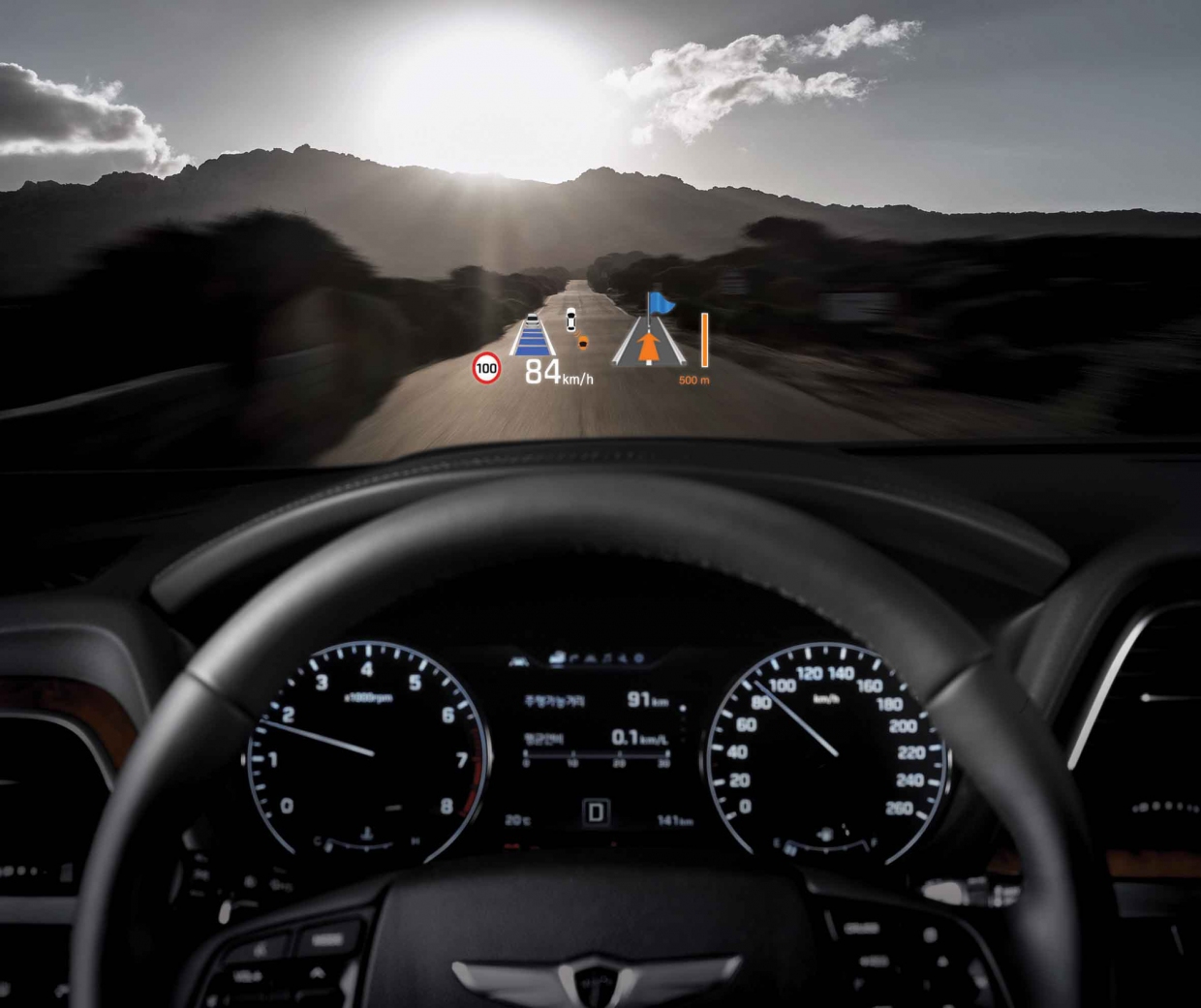
Autonomous driving systems in cars have been of great interest and developed by manufacturers for a long time, but the main challenge of development is their real-world application on the roads.
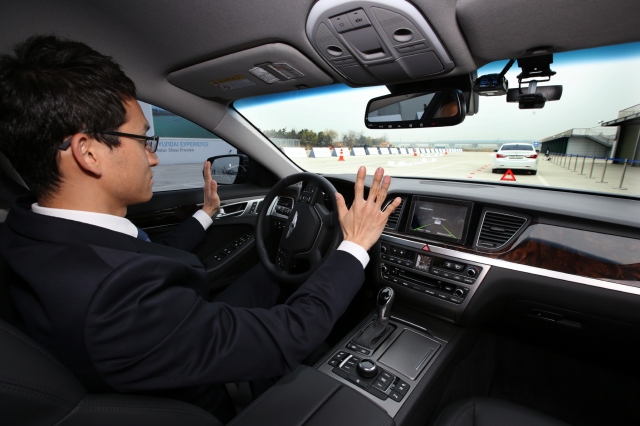
Self-driving cars are not a distant matter.
Autonomous driving systems in cars are very different from those in airplanes, even though their principles are very similar. This is because airplanes have clearly separated flight path systems, and each aircraft has its own flight path. Changing paths or descending must be reported to air traffic controllers or the air traffic control tower when passing through the airspace of each country. Furthermore, there are far fewer airplanes than cars, and in the vast sky, automatic driving is not difficult to achieve. However, on the roads, the quality of drivers and surrounding factors, whether people, animals, or objects, are all important factors that make autonomous driving systems difficult to implement.
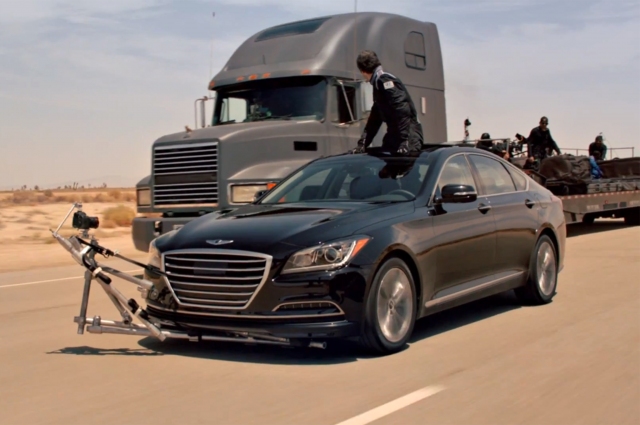
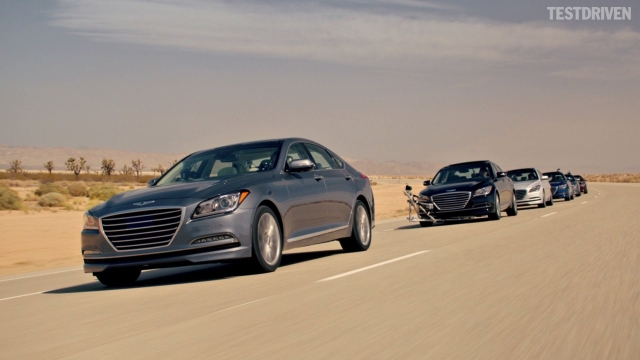
Hyundai Genesis, the Korean Autonomous Car
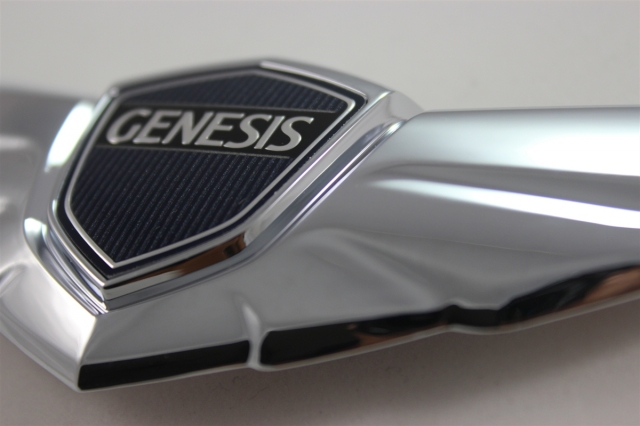
But that doesn't stop car manufacturers from trying to develop autonomous driving systems. Recently, Hyundai is preparing to officially test its autonomous driving system after receiving permission from the Ministry of Transportation, Republic of Korea. The car model Hyundai is preparing to test is the Genesis, for autonomous driving system testing. From having visited Hyundai's factory and test track in the Republic of Korea, I can say that Hyundai's test track area is very vast. The test track itself is almost indistinguishable from the roads of a city, and importantly, it has an advanced wind tunnel that surpasses those of Japanese car manufacturers.
Therefore, it's no surprise that Hyundai is ready to test it on real roads. Hyundai plans to install autonomous driving systems with SELF-DRIVING CAR functions in the Genesis model for cars to be actually sold around 2020.
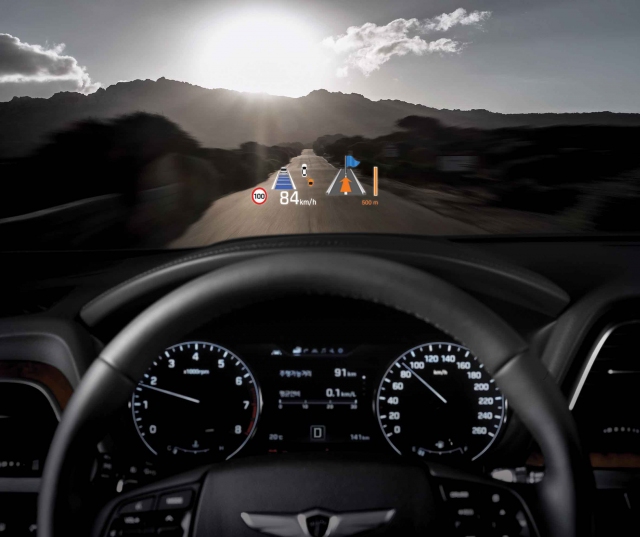
Evolving Towards Autonomous Systems
In fact, many existing car systems can already be extended to autonomous driving systems, such as ADAPTIVE CRUISE CONTROL, or variable speed cruise control systems. This system has been developed to increasingly resemble an autonomous driving system, lacking only steering control. The latest version of the automatic speed control system can reduce speed, brake to a complete stop, and start moving again automatically following the car in front.
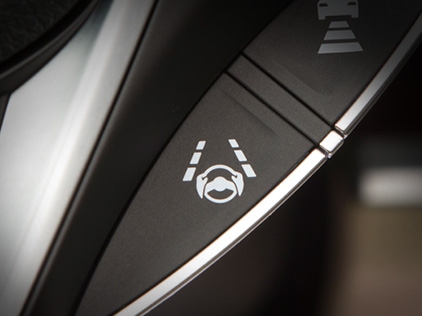
Furthermore, it also works with other systems, such as LANE KEEPING ASSIST, to prevent unintentional lane changes. For example, if the driver unintentionally releases the steering wheel and the car starts to drift out of its lane, this system uses a camera to detect lane markers. When it detects that the car is starting to drift too close to a lane marker on either side, the system will automatically steer the wheel back to a certain extent, along with an alert for the driver.
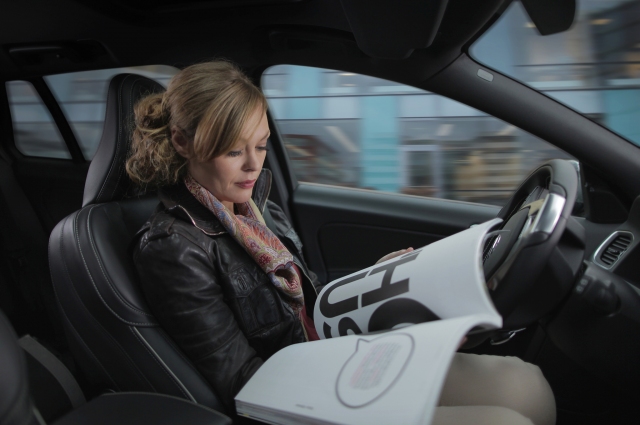
In addition, it also works with systems that detect various road signs, etc., to send data for the system to analyze and warn the driver to prepare. This system has been further developed for use with autonomous driving systems. The autonomous system being prepared for testing is a full system. The car will have many sensors all around, which are the latest generation, including various detection cameras and a modern GPS system. When the system receives various signals, it processes them and commands the car to drive safely.
Source: 4WHEELS MAGAZINE Technical Insights / Phahon 30 4wheels@autoinfo.co.th




Follow Motor Expo Club Network